
Classes
Emberville class guide: how class swapping works, what unlocking a new class requires, and how inherited active and passive skills turn every levelled class into permanent build material.
Introduction
Classes in Emberville are not a character-creation lock. They are a rotating toolkit. Cygnus Cross has confirmed that classes can be changed at any time once unlocked, and that abilities learned on one class can be inherited into another through the inherited-skill system. That combination is the single most important thing to understand about progression in this game, because it reframes what a class actually is. A class is a set of active abilities and passives bound to a kit, plus a level track that you can bank from. It is not a commitment. The practical consequence is that a build in Emberville is not 'a Knight' or 'a Mage', it is a specific arrangement of inherited skills wrapped around whichever class you happen to be running. Players who understand this early build stronger characters faster, because they treat every class as a farm for the two or three abilities that will follow them forward.
Class Unlock Routes
| Route | What Advances It | Usually Opens |
|---|---|---|
| Class levels | Playing encounters with the class equipped | Its own active abilities, passives and inheritance candidates |
| Weapon categories | Fighting with weapons of that family | Additional classes tied to that weapon style |
| Armor categories | Fighting while wearing that armor type | Further class options and defensive kits |
| Villager rescues | Freeing survivors inside the Vitromotus | Trades, questlines and deeper crafting branches |
| Quests | Completing town and villager objectives | Story progress plus mechanic unlocks |
Class Systems
Class Swapping
Change kit at any time once unlocked
Inherited Skills
Carry abilities across class lines
Class Unlocks
Weapons, armor, quests and villagers
The Knight
The one class with a public breakdown
Character Creation
Dozens of hair styles, beards and facial features
Core Mechanics
Inheritance is the mechanic that gives the class system its depth. You level a class, and along the way you claim specific active and passive abilities. Those claimed abilities can then be carried into a different class, which is how hybrid playstyles exist in a game where a class itself is a fixed kit. The practical planning question is therefore not which class is best, but which two or three abilities you want to move. A damage class that inherits a mobility tool patches its own worst weakness. A defensive class that inherits a burst window stops being purely reactive. Because classes swap freely, a mistake costs time rather than a save file, and the developers have framed experimentation as the intended way to learn the system. Cygnus Cross has shown one dedicated class breakdown so far, for the Knight, and weapon and armor category levels feed the unlock pool alongside quests and rescued villagers.
Advantages
The freedom is real and it changes how you spend time. Because a class is swappable, you never have to ask whether you picked wrong at the start, which removes the single most stressful decision in most action RPGs. Because inherited abilities persist, the hours you put into a class are never wasted even after you move on, so the roster becomes a library rather than a series of discarded characters. Because unlocks also come from weapon and armor categories, ordinary combat is progression on at least three tracks at once, and switching weapons to open new classes does not feel like starting over. And because a single character can hold an arrangement of skills assembled from several classes, build identity becomes personal: two players running the same active class can look completely different in practice, which is a rare thing in a genre full of fixed archetypes.
Challenges
The cost of that freedom is decision fatigue. With classes swappable and inheritance available, there is no external force stopping you from spreading levels thin across five kits and arriving at a boss with nothing finished. The system rewards planning, and planning requires knowing what you want before you have played enough to know it. Inheritance also has an opportunity cost: time spent opening a second class is time not spent deepening the first, so an unfocused player can fall behind a focused one at the same playtime. On top of that, the public information is thin. Only the Knight has had a dedicated breakdown, most class names and ability lists are unpublished, and any guide that hands you a ranked list of classes right now is guessing. Treat specifics as provisional until Early Access lands.
Frequently Asked Questions
Can I change my class at any time in Emberville?+
What are inherited skills and how do they work?+
How do I unlock new classes in Emberville?+
Quick Tips
Decide your weapon family before you decide your class. Weapon-bound combos change which strings you can actually perform, so a class that feels sluggish may simply be paired with the wrong gear. Settling the weapon question first removes most of the confusion people blame on class balance. If combat still feels wrong after that, the problem is almost always spacing or consumables rather than the class you picked.
Write down the two abilities you want to inherit before you level a class seriously. Levelling with a target in mind turns a vague grind into a short checklist, and it stops you from maxing a kit that has nothing you actually want to carry forward into your real build. A written target also stops you from chasing an ability that looked impressive in a preview but does not fit how you actually play.
Do not judge a class by its first ten minutes. Early levels rarely show the kit at its best, and a defensive or utility class often feels weak until the inherited skills patch its damage windows. Give a new class a full session before deciding it is not for you. Give it two full sessions before you judge it, and note what specifically felt wrong so you know what the next class needs to fix.
Featured
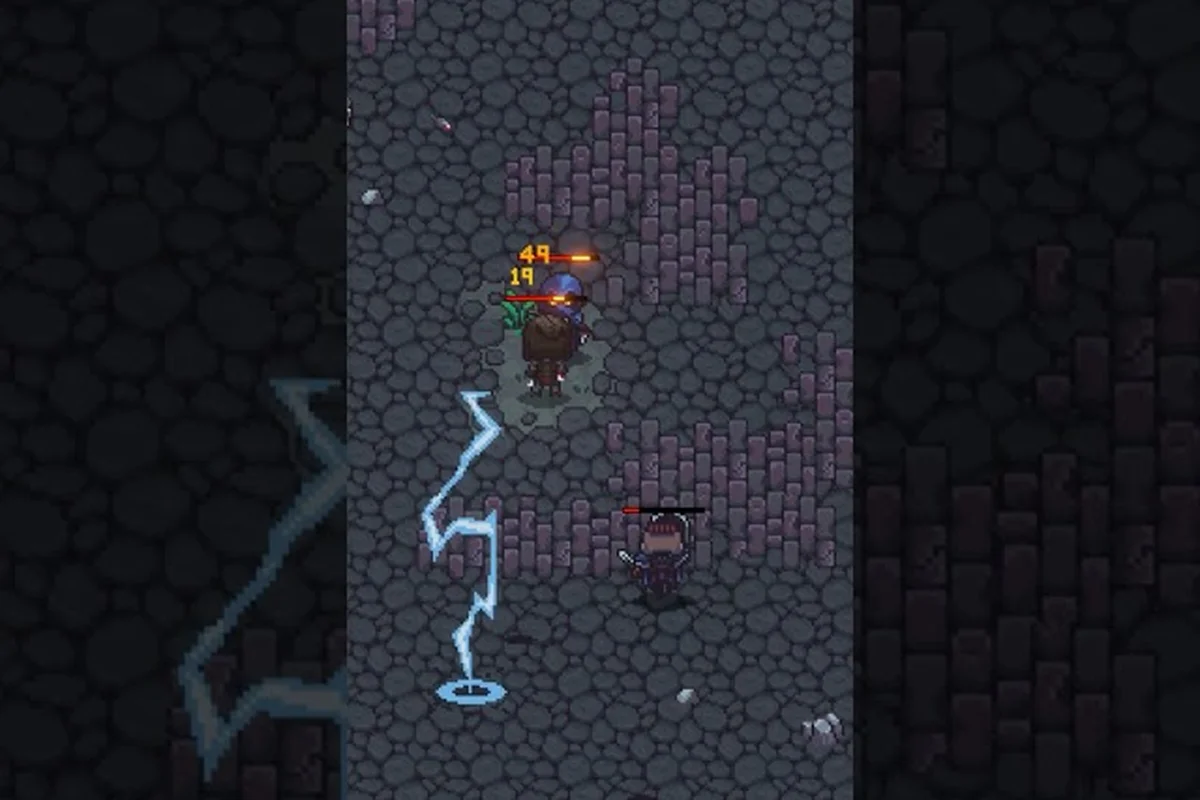
Emberville Starting Class: Best First Pick and Abilities
Pick the right Emberville starting class for your run, compare frontline, ranged, and magic options, and see how each shapes your first hours underground.
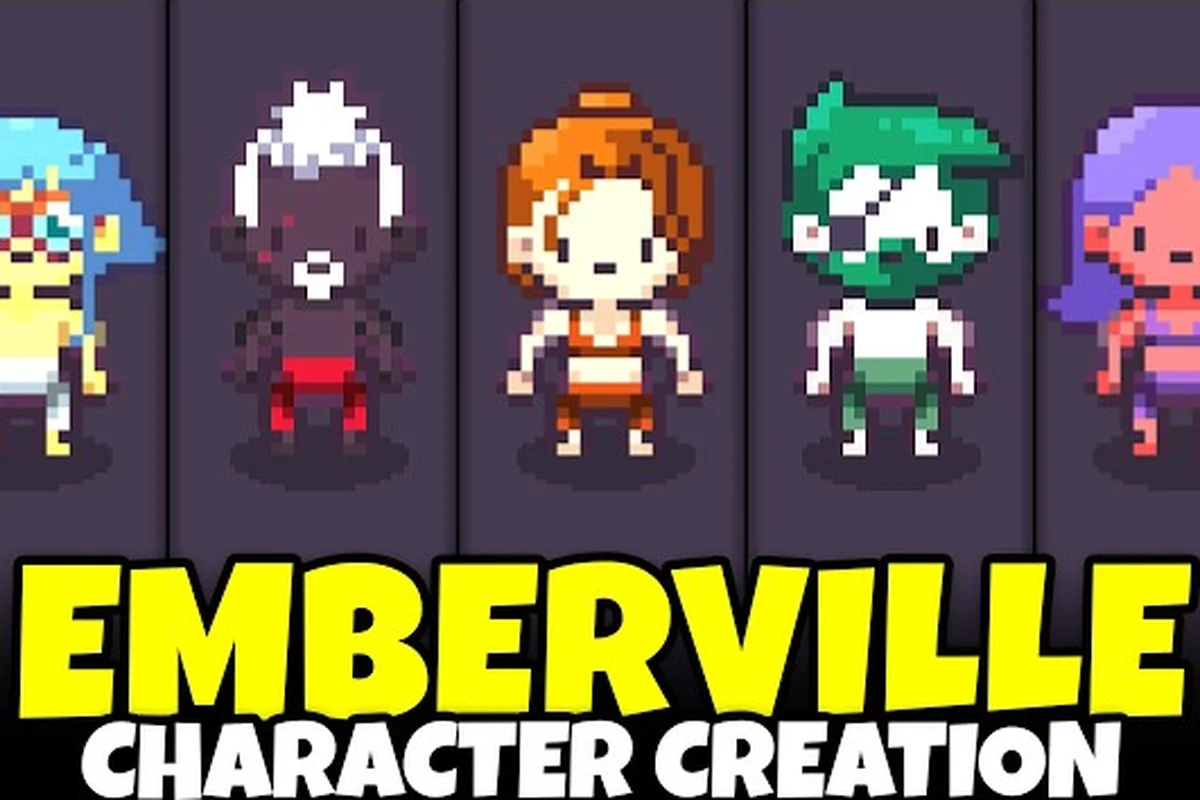
Emberville Character Creation: Classes, Roles, and Synergy Basics
Shape your Emberville character creation choices from the start, covering class roles, synergy options, and ability combos that carry through Early Access.
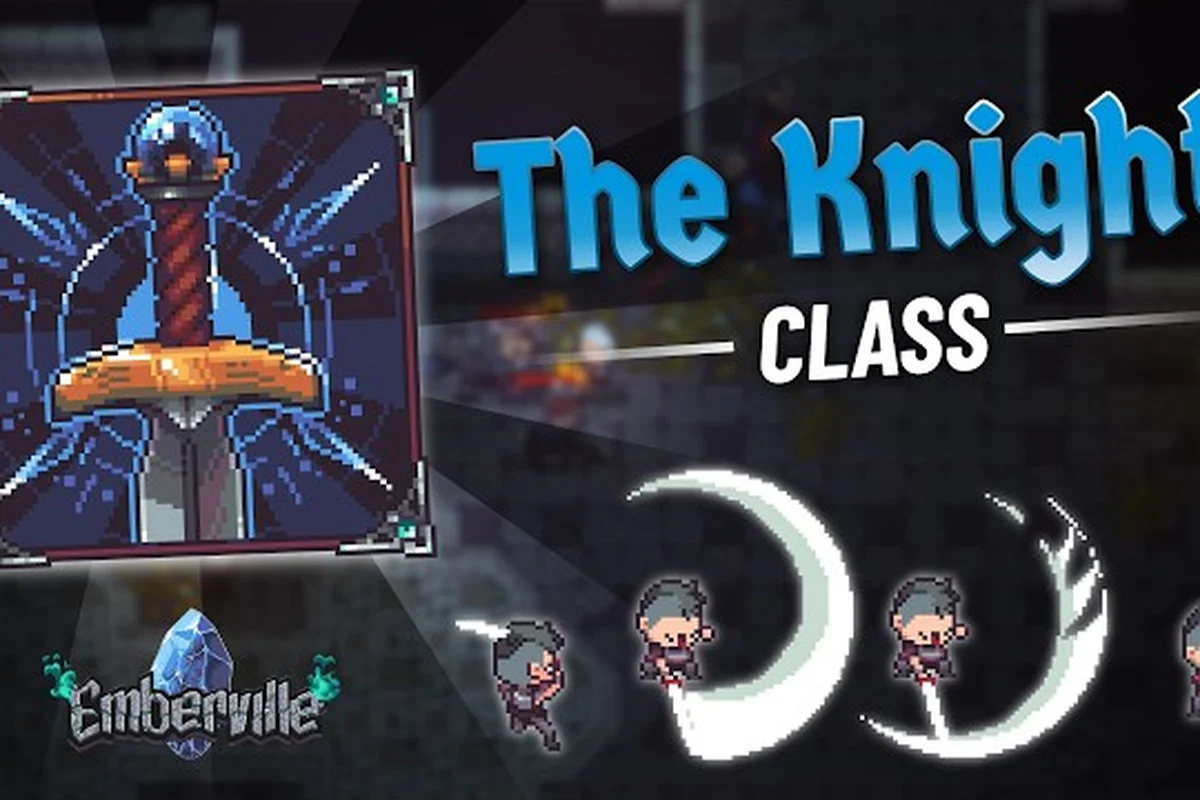
Emberville Class Guide: Roles, Unlocks, and Picks
Compare every Emberville class in one place, from starter picks to advanced roles, and learn the exact unlock requirements to choose the right path.
All Articles
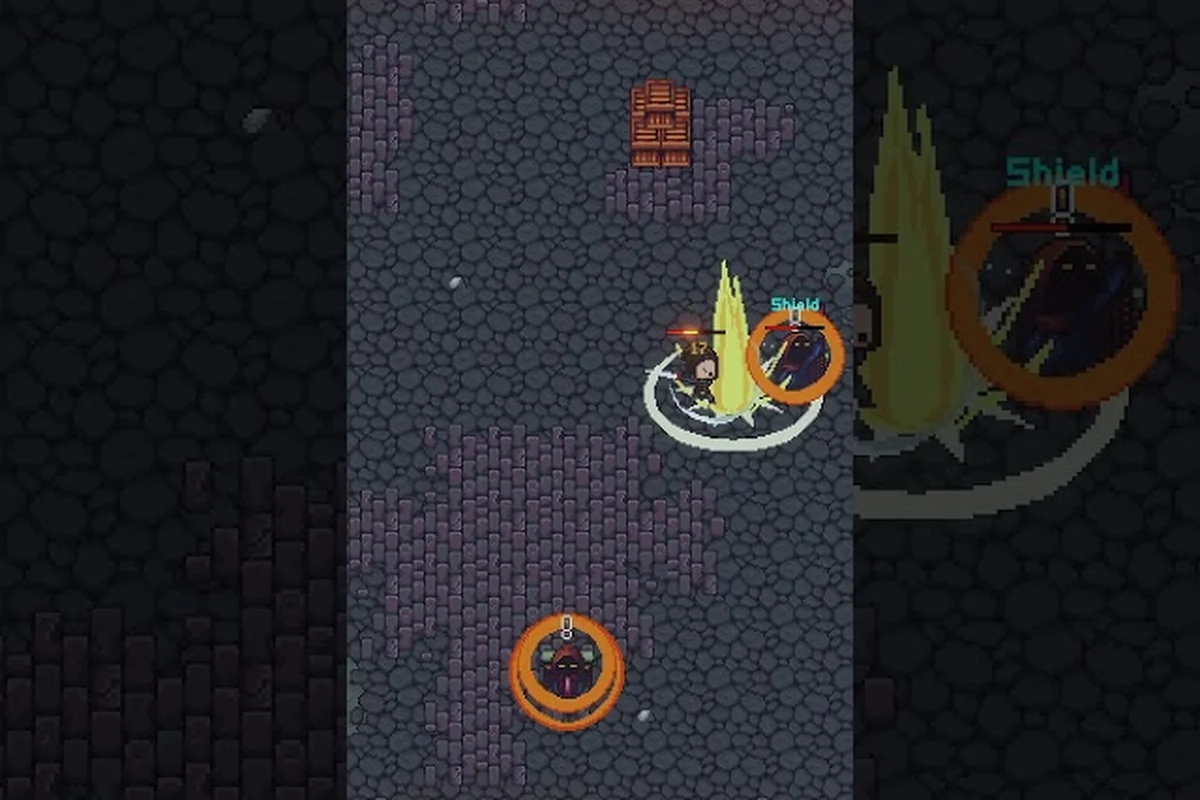
Emberville Mage Class: Spells, Builds, and Comparisons
Break down the Emberville mage class with signature spells, mana tips, and how it stacks up against Rogue and Archer in early Vitromotus fights.
Emberville Passive Skills: Stacking Rules and Top Choices
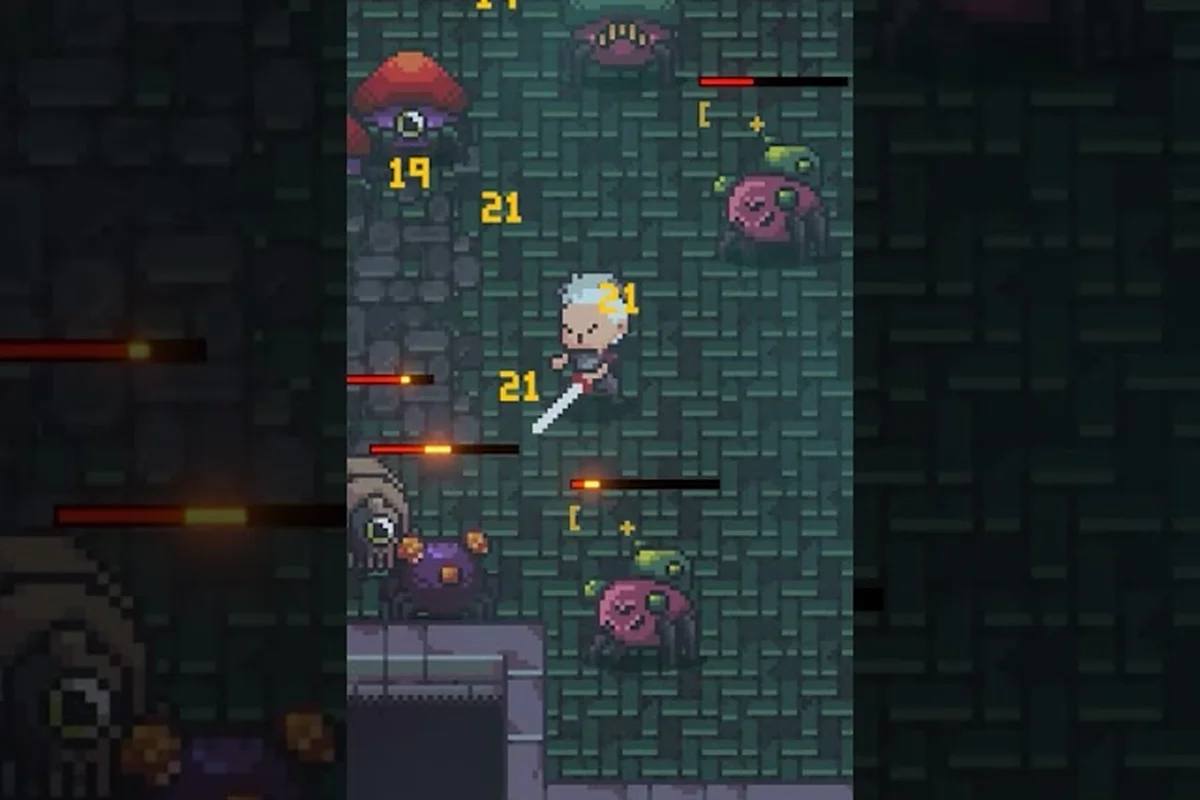
Stack the right Emberville passive skills to boost your Knight, Warrior, and other classes, with tier picks, stacking rules, and which passives to skip.
Emberville Class Change Cost: Unlocks and Mastery
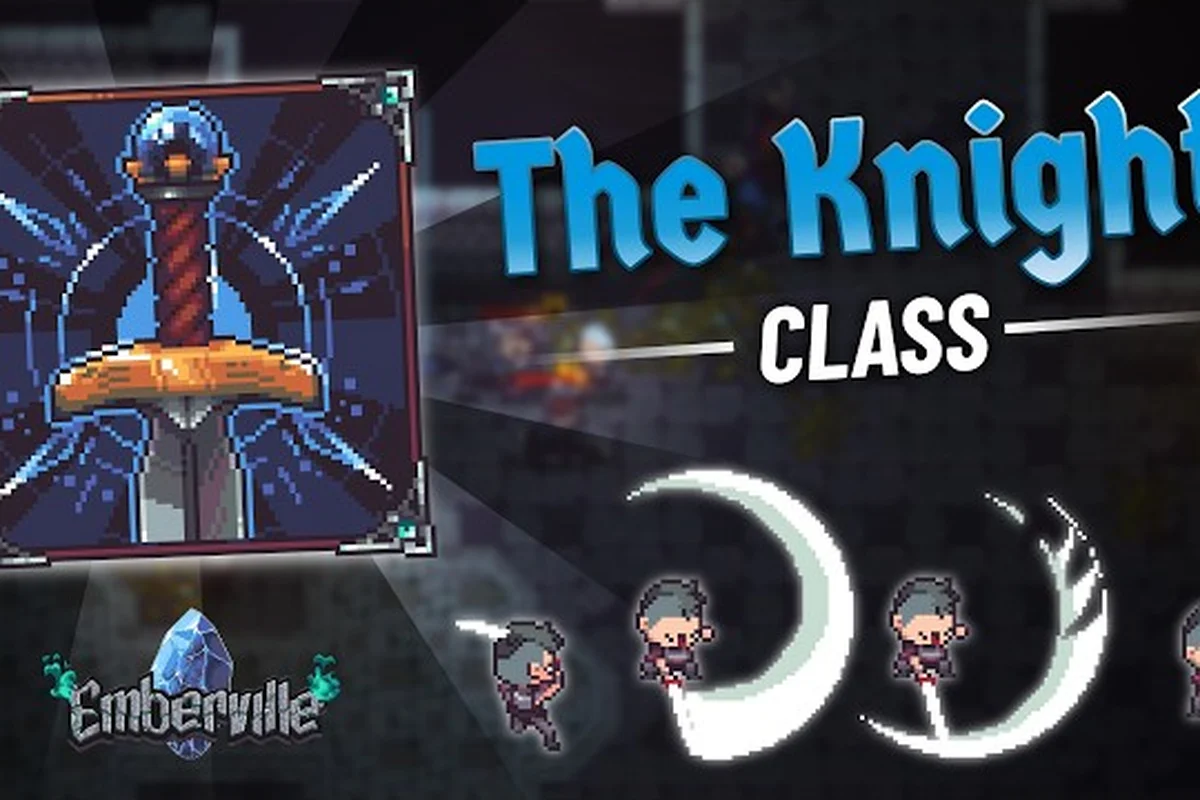
Find out what it costs to change class in Emberville, including mastery thresholds, advanced unlock requirements, and how weapon tiers factor into the switch.
Emberville Class Swap: How to Switch Classes and Inherit Skills
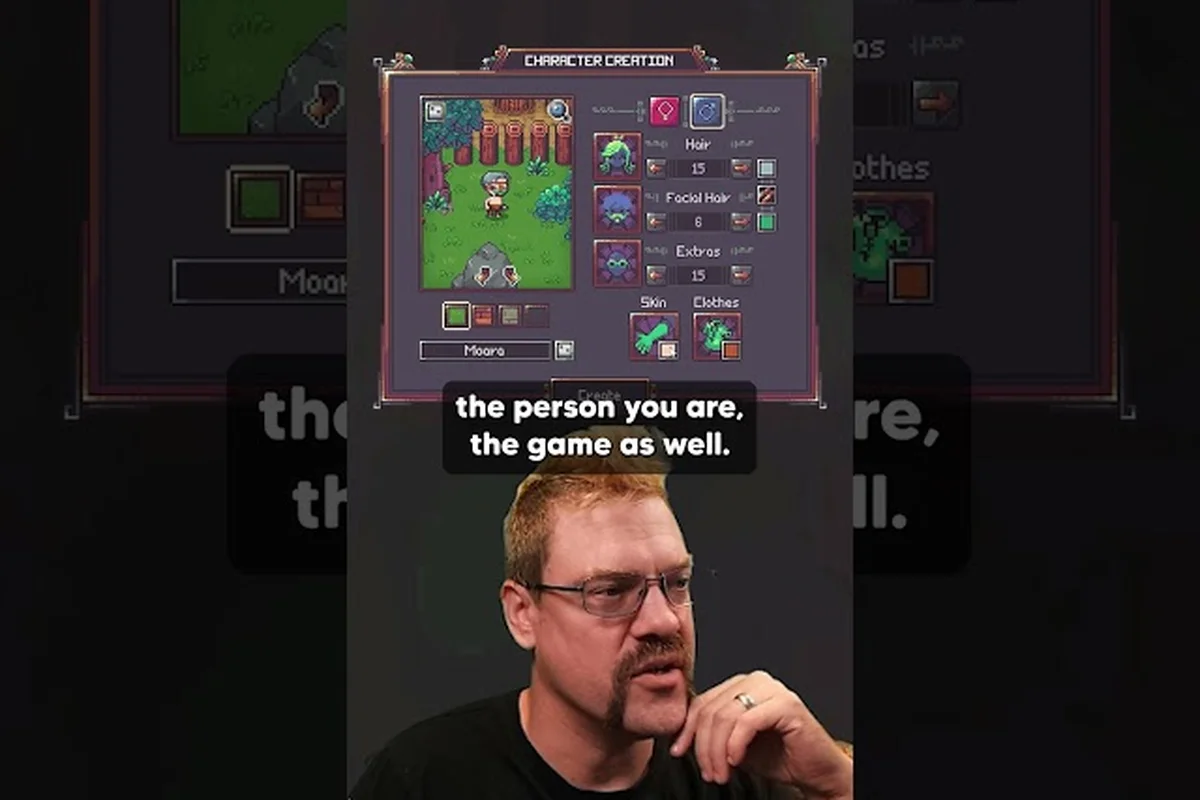
Learn how the Emberville class swap system works, which skills carry over to your new class, and the fastest way to rebuild a build without losing progress.
Emberville Hybrid Class: Blending Two Skill Trees for Power
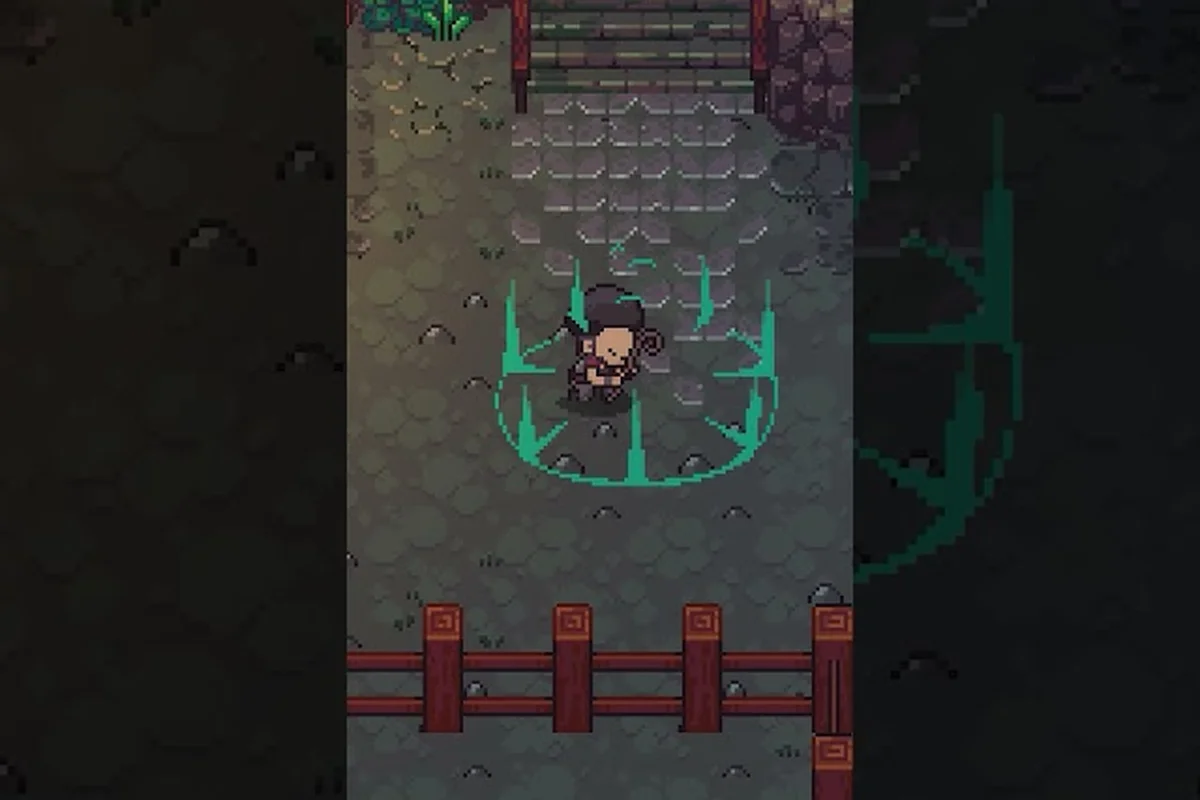
Mix two Emberville classes into a hybrid build using cross-class skills, with the best stat pairings, skill tree routes, and respec timing for Early Access.